
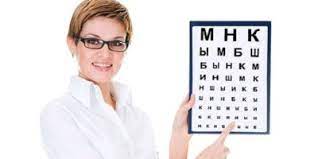
Our eyes are under heavy strain every day, so they deserve special care. According to ophthalmologists, millions of people worldwide have vision problems, and the number grows over the years. Causes include heredity, ecology, an unhealthy lifestyle and diet, excessive computer work and rare visits to the ophthalmologist.
Prevention matters
It is recommended to have your vision checked regularly, even if you have never worn glasses: many eye diseases show no symptoms for a long time.
Simple rules
- when reading for a long time, do not always keep your gaze downward: change gaze direction, angle and distance to the book or screen to vary the tension of the eye muscles
- do not read lying down before sleep
- take breaks when working at a computer
- protect your eyes from dust, wind, extreme temperatures, and wear sunglasses with a UV filter
- do not delay a visit to the doctor if your vision worsens
Eye exercises
- look into the distance, then at a nearby object, and repeat several times
- make a visor of your fingers, bring them to the middle of your forehead in front of your eyes, hold for 10 seconds and repeat
- alternate eye movements up-down and left-right
Nutrition for vision
Vegetables and fruit are good for the eyes, especially carrots, pumpkin and blueberries, along with foods with vitamins A and E: nuts, fish and greens.
Parents of small children who cannot yet complain should watch for squinting, eye rubbing or quick tiring and show the child to an ophthalmologist when needed. The earlier you go, the sooner you will see a positive result.